
Reason Against the Uncanny
The Fall of the House of UsherThe narrator repeatedly offers ordinary explanations for strange impressions, yet each new event narrows the space for rational reassurance.
increasing Bearing strength in each event
 decreasing
Bearing strength in each eventdecreasingA Natural Scene
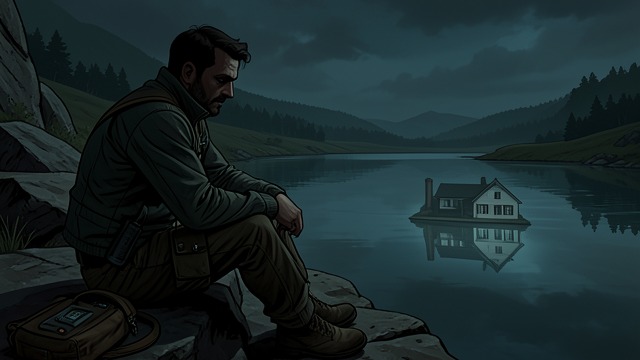
Seeking a Cause
The narrator’s question
The narrator asks why a simple arrangement of natural objects should produce such gloom. He accepts that perception may respond to combinations he cannot analyze.
Reason without mastery
His explanation is cautious rather than confident. He can describe his state of mind but cannot make it disappear.
A Reflection That Worsens
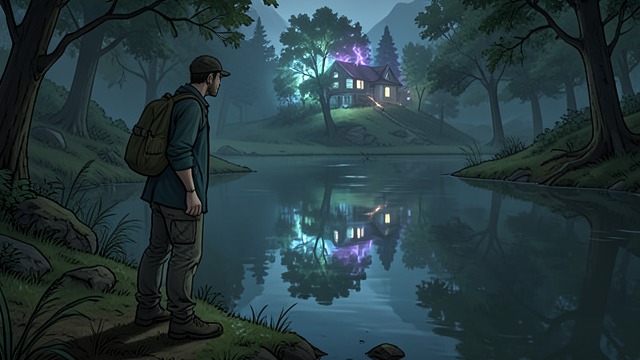
Testing the Impression
An experiment
The narrator looks into the tarn to see whether a changed arrangement will alter the scene’s effect. The reflected house and trees intensify the original shudder.
Evidence remains ambiguous
Nothing proves that the landscape acts supernaturally. Still, the narrator’s experiment fails to restore the calm he sought.
Electrical Reassurance
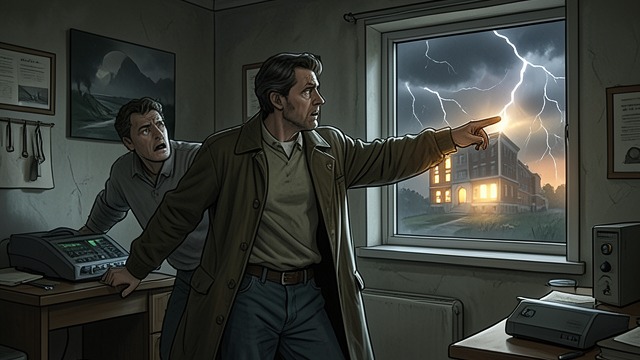
A Natural Explanation Offered
The narrator intervenes
Seeing Roderick stare at the storm, the narrator suggests electrical phenomena or miasma from the tarn. He tries to move his friend away from the window.
Reassurance under pressure
The explanation aims to protect Roderick, but the visible glow around the house resists easy dismissal. The narrator’s rational voice is now also an act of care.
Coincidence Repeated
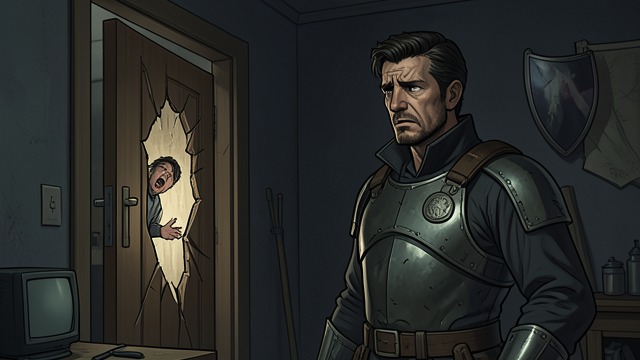
Sound and Story
Apparent matches
The narrator hears noises resembling the romance’s broken door, cry, and falling shield. At first he tries to treat each as coincidence.
Explanation erodes
The sequence grows too precise for easy dismissal, especially as Roderick reacts with mounting dread. The narrator’s role shifts from reassurance toward fearful attention.
The Unexplained Ruin
Limits of Explanation
A final spectacle
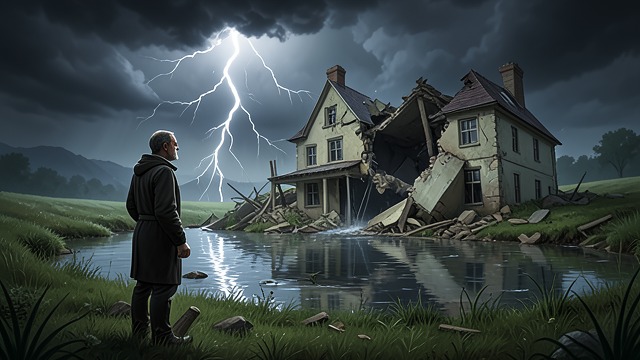
The narrator sees the fissure widen and the mansion sink into the tarn. He reports the event through visible light, storm, and physical collapse.
No settled answer
The account never confirms Roderick’s supernatural theory. Yet the final events leave ordinary explanations emotionally insufficient for the narrator’s experience.
At the first sight of the mansion
Before crossing to the house
When the storm glow appears
During the reading of The Mad Trist
After the twins’ deaths
